I'm New Here
If you’re clueless about credit cards and credit scores, don’t worry – you’re not alone, and you’re in the right place. Think of this as Credit Cards 101 for grad students. No catch, no judgment, and we’ll break it all down in plain English.
Karan Jakhar
The Rich Grad Student
If you’re clueless about credit cards and credit scores, don’t worry – you’re not alone, and you’re in the right place. Think of this as Credit Cards 101 for grad students. No catch, no judgment, and we’ll break it all down in plain English.
Already know the basics? Feel free to skip ahead to our Everyday Cards. But if you’re new to all this, read on!
What is the “Rich Grad Student” Life?
The “Rich Grad Student” life is all about making smart money moves during grad school. We provide recommendations to help graduate students maximize their finances using credit cards and other financial tools. This doesn’t mean spending more money – it means using the money you already spend in a wiser way. By choosing the right credit cards (and racking up points, cash back, or miles on things you already buy), you can stretch a tight budget and enjoy perks that make you feel like a “rich” grad student. On this journey to becoming a Rich Grad Student, you’ll learn to be more aware, efficient, and savvy with every dollar.
Why Credit Cards Matter?
“Why even use a credit card? I can just stick to debit or cash.” Totally fair.
When you use a credit card responsibly, you’re doing a few practical things at once:
- Building credit history (your financial track record), which can make future loans, renting an apartment, and sometimes even job screenings smoother and less expensive
- Earning rewards on everyday spending
- Getting stronger fraud and purchase protections than most debit cards offer
And here’s the part most people miss: a lot of prices already include the cost of card processing, effectively a roughly 2% built-in fee. If you’re going to pay that either way, using a good card lets you recoup some value instead of leaving it behind.
What is a Credit Score?
A credit score is a three-digit number that summarizes how trustworthy you are with borrowed money. It usually ranges from about 300 (poor) to 850 (excellent) (1). Banks, landlords, and sometimes employers use it to judge risk when you apply for things like a credit card, a car loan, or an apartment.
Your score mainly depends on a few key factors (2):
- Payment history: The biggest one. Pay every bill on time, every time.
- Credit utilization: How much of your available credit you use. Lower is better, and under 30% is a common target. Opening new cards will increase your available credit (good for your score).
- Length of credit history: Older accounts help, so keeping your first no-annual-fee card open can be valuable.
- New applications (inquiries): Applying for new credit too often can cause small, temporary drops.
- Credit mix: Having more than one type of credit can help over time, but it’s not something to chase early.
In short: pay on time, keep balances low, and let time do its thing.
How to Build Credit From Scratch
Building credit from zero comes down to a few key steps:
Get into the Credit System (SSN vs. ITIN): First, you need to be on the radar of the U.S. credit bureaus. That usually means having a Social Security Number (SSN). If you’re a U.S. citizen or permanent resident, you have an SSN. That number is used to track your credit history.
- International student without an SSN? You can often apply for an SSN once you have campus employment or a paid internship. If you can’t get an SSN immediately, there is an alternative called an Individual Taxpayer Identification Number (ITIN). Some banks will let you apply for a credit card with an ITIN instead of an SSN. Policies vary by bank; sometimes the application might need to be done in person (3).
Get your first Credit Card: The simplest way to start is by getting a credit card (more on how to get your first card in the next section). In theory, a small loan or being an authorized user on someone else’s card can also start your credit history, but for most grad students, a credit card in your own name is the most accessible tool. Don’t worry if your initial credit limit is low or the card is basic – the goal here is just to get your foot in the door.
Be Patient and Pay on Time: After a few months of using your new card responsibly, you’ll start to establish a credit history. Your first credit score might pop up after about 6 months of activity. As long as you’ve followed the steps – paid on time, kept balances low – it should be solid and will only improve with time. Keep at it.
Next up: let’s talk about the practical side of that second step – getting your very first credit card.
What Credit Cards we Recommend
The key is to start with cards that are designed for beginners. Here’s the game plan to secure your first card:
Student/Beginner Credit Card (recommended for graduate students): Student/Beginner credit cards tailored for college/graduate students who are new to credit. These often have easier approval criteria as they do not require credit history.
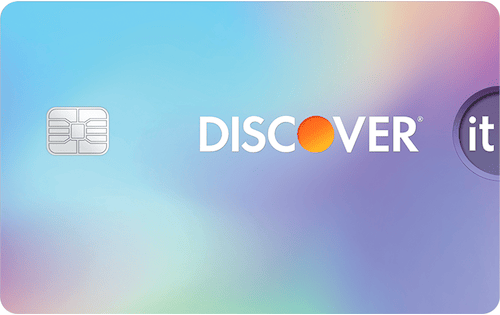
Chase Freedom Rise (former Freedom Student)

Student cards usually have lower credit limits and not huge rewards. The goal is simply to get approved for something. After 6-12 months of on-time payments, you'll likely see your credit score establish and climb, and you can consider upgrading or applying for other cards with better perks.
Secured Credit Cards: A secured card requires you to put down a refundable security deposit (say $200 to $5,000), and in exchange, the bank gives you a credit card with a limit equal to your deposit. It's a stepping stone for people with no credit. As a graduate student, we recommend getting a student card and keeping savings in a high-yield savings account.
After You Get Your Card: Hooray! You have your first credit card. Now the real credit-building begins. Remember the golden rules we mentioned before: pay the bill off on time and in full every month.
Welcome to your journey to be a “rich grad student”! You’re now officially on your way to playing the credit card game. Keep it up, and future you will be very grateful.
References:
(1) https://www.myfico.com/credit-education/credit-scores
(2) https://www.experian.com/blogs/ask-experian/credit-education/score-basics/what-affects-your-credit-scores/
(3) https://www.chase.com/personal/credit-cards/education/basics/can-international-students-get-credit-cards